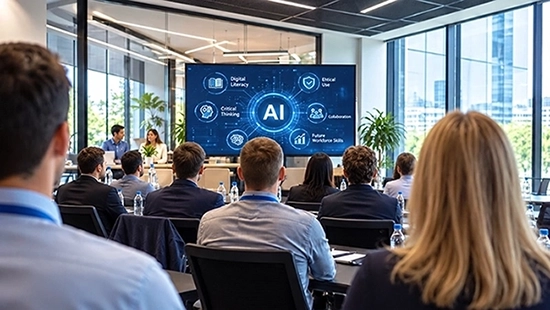
As artificial intelligence becomes increasingly used across business operations, organisations are paying closer attention to how digital literacy is taught before people enter the job market. While most conversations around AI centre on corporate software, early training frameworks offer a preview of the skills and expectations the next generation of workers will bring into the workplace.
At QKampus, where we focus on supporting initiatives across enterprise, wellness and commercial spaces, tracking these shifts helps us understand how modern work environments continue to evolve.
Industry bodies and training organisations globally are working through the best ways to integrate AI without replacing core problem-solving capabilities. Recent policy discussions highlight a few practical steps that balance tech assistance with real skill-building:
Building Early Tech Literacy: Introducing structured guidance on AI capabilities so users understand both the strengths and limitations of the tools.
Protecting Original Thinking: Setting clear boundaries around tool usage during skill evaluations to make sure foundational knowledge is genuinely built.
Encouraging Verification: Giving managers and trainers the flexibility to ask for verbal walkthroughs or explanations of submitted work.
These steps are not about restricting technology—they are about making sure AI is used to support human thinking rather than replace it. For more insights on how businesses adapt to changing industry standards, check out our About Us page or explore our latest articles on QKampus Blogs.
The way people learn to use technology during their training directly impacts how they operate in a corporate setting. Clear guidelines early on lead to greater awareness of data privacy, critical thinking and ethical tool usage later in their careers.
For commercial hubs and growing businesses, this shift highlights the need for:
Clear Internal Policies: Clear internal policies can help employees understand what AI tools are permitted and how to use them responsibly.
Focus on Upskilling: Continuous learning can help teams adapt as new software and digital tools emerge.
Stronger Collaboration: Human oversight remains critical, especially in customer-facing, healthcare, and creative industries.
To learn more about our commercial spaces and community solutions, feel free to review our Services or get in touch via our Contact Us page.
Disclaimer:
This blog is for general information purposes only and does not constitute professional, medical, legal, or financial advice. The QKampus operates across multiple industries, and services are only provided through formal engagement with the relevant entity or qualified professional. Please seek appropriate advice tailored to your circumstances


